
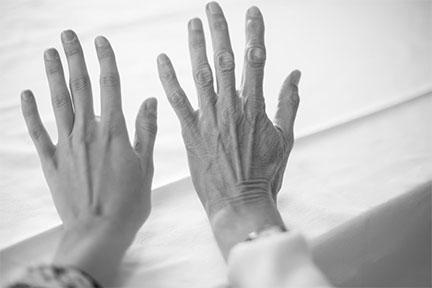
Aging is a natural and deeply personal process that affects everyone differently, especially when it comes to facial appearance. Over time, subtle changes in skin, bone, and cartilage can alter the way the face looks and feels, sometimes impacting confidence or comfort. For individuals exploring aesthetic or functional options such as rhinoplasty in Fort Lauderdale, understanding how the face changes with age can help guide thoughtful and informed decisions.
How Aging Affects Facial Structure
As the body ages, the underlying bone structure of the face gradually loses density and volume. This process can lead to changes in facial proportions, such as a softer jawline or a more prominent nose. These shifts are slow but cumulative, often becoming more noticeable over time.
Cartilage also continues to change with age, particularly in the nose and ears. The nasal cartilage may weaken and droop slightly, causing the nose to appear longer or less defined. These changes are structural rather than cosmetic, which is why they can affect both appearance and function.
Skin Changes Over Time
Skin elasticity naturally decreases as collagen and elastin production slow down. This results in thinner skin that is more prone to wrinkles, sagging, and texture changes. Facial areas exposed to sun and environmental stressors often show these effects more clearly.
In addition to wrinkles, aging skin can lose firmness and hydration. This can change how facial features are perceived, making contours appear less sharp. Proper skin care and professional treatments can help support healthier-looking skin at any age.
The Nose and Aging
The nose plays a central role in facial balance, and changes to it can significantly impact overall appearance. As cartilage weakens and skin thins, the tip of the nose may droop or widen slightly. These changes can be subtle but meaningful, especially when they affect facial harmony.
In some cases, aging-related nasal changes can also affect breathing. Structural shifts may contribute to airflow restriction, making functional concerns just as important as aesthetic ones. Addressing these issues can improve both comfort and quality of life.
Non Surgical Ways to Support Facial Aging
Many people choose to begin with non-surgical approaches to support graceful aging. Skin care routines focused on hydration, sun protection, and gentle exfoliation can help maintain skin health. Professional treatments may also address surface-level concerns such as fine lines and uneven tone.
Lifestyle factors also play a critical role. Proper nutrition, consistent sleep, and stress management all contribute to healthier-looking skin and facial structure. These foundational habits often complement any aesthetic goals.
When Surgical Options Are Considered
For some individuals, surgical options become a consideration when structural changes affect appearance or function. Procedures such as nose reshaping can be tailored to respect natural aging while restoring balance. The goal is not to look younger, but to look like a refreshed version of oneself.
Modern cosmetic surgery techniques prioritize safety, proportion, and individualized care. Age alone is not the deciding factor, as overall health and expectations are far more important. A thoughtful consultation helps determine whether surgery aligns with personal goals.
Making Informed Decisions About Facial Changes
Choosing how to address facial aging is a personal journey that should be guided by accurate information. Understanding the causes of change helps set realistic expectations and reduces unnecessary pressure. Education empowers individuals to explore options without fear or urgency.
Working with experienced professionals ensures that decisions are based on health, anatomy, and long-term outcomes. Open conversations about concerns and goals allow for personalized recommendations that respect both appearance and well-being.
Conclusion
Aging gracefully means embracing change while caring for yourself in ways that feel meaningful and supportive. Facial features naturally evolve over time, influenced by structural shifts, skin changes, and lifestyle factors. By understanding these changes and exploring appropriate options, individuals can make confident choices that support comfort, balance, and self-assurance at every stage of life.