
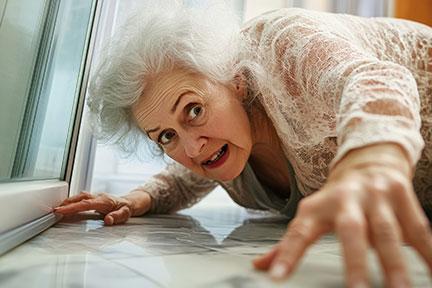
It’s not the big things that usually trip seniors up at home. It’s the everyday details you barely notice. A glossy tile that turns into a skating rink after mopping. A lightbulb left unchanged makes the hallway feel like a maze. Even a favorite rug that’s been in the family for years can quietly become a hazard.
The upside? These troublemakers are easy to outsmart once you know where to look. Small fixes can transform an ordinary house into a space that’s both safe and stress-free.
This guide unpacks five common home hazards for the elderly and the clever ways to fix them. You’ll never look at your living room rug the same way again.
1. Slippery Floors
Sometimes what looks spotless can be one of the biggest hazards for older adults. Smooth tiles in the bathroom or kitchen, a spilled drink in the living room, or even a rug that shifts slightly when stepped on can turn into a dangerous fall within seconds. For seniors, one slip can mean weeks of recovery, making this hazard too serious to overlook.
The fix starts with prevention. Non-slip mats in kitchens and bathrooms give the kind of grip that glossy flooring simply doesn’t provide. Rugs that curl or move underfoot should be secured with non-skid pads, and if they refuse to stay put, it’s better to roll them up for good. Even dust and fine dirt can add to the slickness, so regular cleaning is more important than many realize.
For long-term safety, ongoing maintenance matters just as much as quick fixes. Something as simple as scheduling a professional maids service helps keep floors clean, dry, and free of clutter, reducing fall risks you might not notice day to day. These small steps make it easier for seniors to walk confidently in their own homes without worrying about what’s under their feet.
2. Poor Lighting
After floors, lighting is another detail that can quietly raise the risk of falls. When hallways are dim, staircases are shadowed, or bulbs in bathrooms start to fade, seniors may find it harder to spot obstacles in their path. What looks fine during the day can feel unsafe at night, and uneven lighting often makes familiar spaces tricky to move through.
A safer home begins with consistent brightness. Swapping out weak bulbs for LED or higher-wattage options creates clear visibility without straining the eyes. Night lights are a small but powerful addition in bedrooms, hallways, and bathrooms, giving guidance during late-night trips.
Motion-sensor lights near entryways and stairs add another layer of safety by instantly illuminating dark spots. Since daylight changes from season to season, it helps to reassess the setup regularly. And when storms or outages leave a home in darkness, keeping a flashlight close by ensures seniors don’t have to take a single step in the dark.
3. Cluttered Walkways
Homes are meant to provide comfort, yet crowded walkways can quickly create the opposite effect. When furniture is packed too tightly, or everyday items find their way onto the floor, moving from one room to another becomes unnecessarily risky for seniors. A staircase with a pair of shoes left on a step or a hallway with a basket tucked in the corner may seem harmless, but those small obstacles can easily lead to a fall.
The solution lies in keeping pathways consistently open. Removing extra furniture from narrow spaces makes it easier to walk without sidestepping. Loose cords should be secured neatly against the wall so they don’t stretch across the floor. Shoes, bags, and newspapers belong in storage spots instead of sitting in walkways.
Families that follow a “clear path” rule quickly notice how much smoother daily movement becomes. And when winter arrives, clearing snow and ice from outdoor steps right away adds another level of safety.
4. Unsafe Bathrooms
Everyday routines like brushing teeth or taking a shower shouldn’t feel risky, but for many seniors, the bathroom is where accidents are most likely to happen. Wet floors, glossy tiles, and limited space create conditions where even steady walkers can lose balance. Add in the possibility of scalding water, and it’s easy to see why this room causes so many injuries.
Making bathrooms safer often comes down to a few smart upgrades. Grab bars beside toilets and showers provide reliable support for sitting, standing, or steadying oneself. Non-slip mats placed both inside and outside the tub reduce the chance of sliding when feet are wet.
A shower chair is another simple adjustment that makes bathing easier for those with limited mobility. Lowering the water heater temperature protects against burns while still providing comfort. These updates turn the bathroom from a risky environment into a space where seniors can manage daily tasks with security.
5. Fire Risks
Kitchens, heaters, and faulty wiring are some of the most common culprits, and seniors are especially vulnerable when quick responses are harder to manage. From food left simmering unattended to space heaters tucked too close to curtains, fires usually begin with small moments that are easy to overlook.
Smoke alarms should be present in every key room and tested regularly so they’re always ready. Large appliances need their own outlets rather than relying on extension cords that can overheat. In the kitchen, using back burners and keeping towels or paper products away from open flames reduces risks right at the source.
Families can strengthen preparedness by practicing a fire escape plan together. Even parts of the home that seem harmless, like chimneys and dryer vents, should be professionally cleaned, since built-up debris can ignite. Each of these habits keeps small sparks from ever becoming life-threatening.
Conclusion
Making a home safer for seniors doesn’t require drastic changes. It comes down to paying attention to details that often get overlooked. Dry floors, well-lit hallways, clutter-free paths, bathrooms designed with support, and simple fire-prevention habits together create a space that protects without losing comfort.
Each adjustment doubles as an investment in health, independence, and peace of mind. When families make these improvements part of everyday living, the home shifts from being full of risks to being a place where seniors can move confidently. Small steps today set the stage for safer, easier living tomorrow, and that’s a return no one can put a price on.